Discussion Case Study

AI Security Infrastructure

A reusable trust foundation for production AI agents: identity, delegated authorization, credential safety, policy enforcement, and full-chain auditability.

Senior EM scope AI-native platform risk Cross-functional execution Technical tradeoffs
Format: short narrative, then discussion. I can go deeper on architecture, operating model, product adoption, metrics, or what I would do differently.
Why Now

AI agents changed the trust boundary.

Core thesis

Once agents started acting in production, the problem was no longer "add more security checks." The platform needed to understand who delegated work, which agent acted, what resource was touched, which credential was used, and how to audit the full chain.

Pressure came from two sides

  • Internal agent teams wanted speed and low developer burden.
  • Enterprise customers wanted control, visibility, and trust.
  • Existing IAM assumed humans and services, not delegated agents.
Identityagent as first-class actor
AuthZuser + agent + resource + action
Vaultcredentials never live loosely in runtime
Audituser -> agent -> resource chain
Leadership Challenge

The hard part was keeping one foundation while teams moved fast.

01

Define platform contracts

  • identity namespace
  • delegation semantics
  • credential boundary
  • policy and audit model
02

Map ownership

  • direct org: identity and credential vault
  • peer teams: authorization and gateway
  • XFN: PM, TPM, SRE, QA, product surface
03

Create execution rhythm

  • TPM dependency tracking
  • EM/TL architecture reviews
  • SRE/QA launch readiness
  • retro-driven operating changes
My role: I did not replace the M1/TLs. I held the bar on irreversible platform decisions and cross-team accountability.
Product lens: adoption meant docs, onboarding, reference integrations, admin visibility, and making the secure path easier than bypass.
Architecture

Trust boundary: inbound invocation, outbound action, and audit evidence.
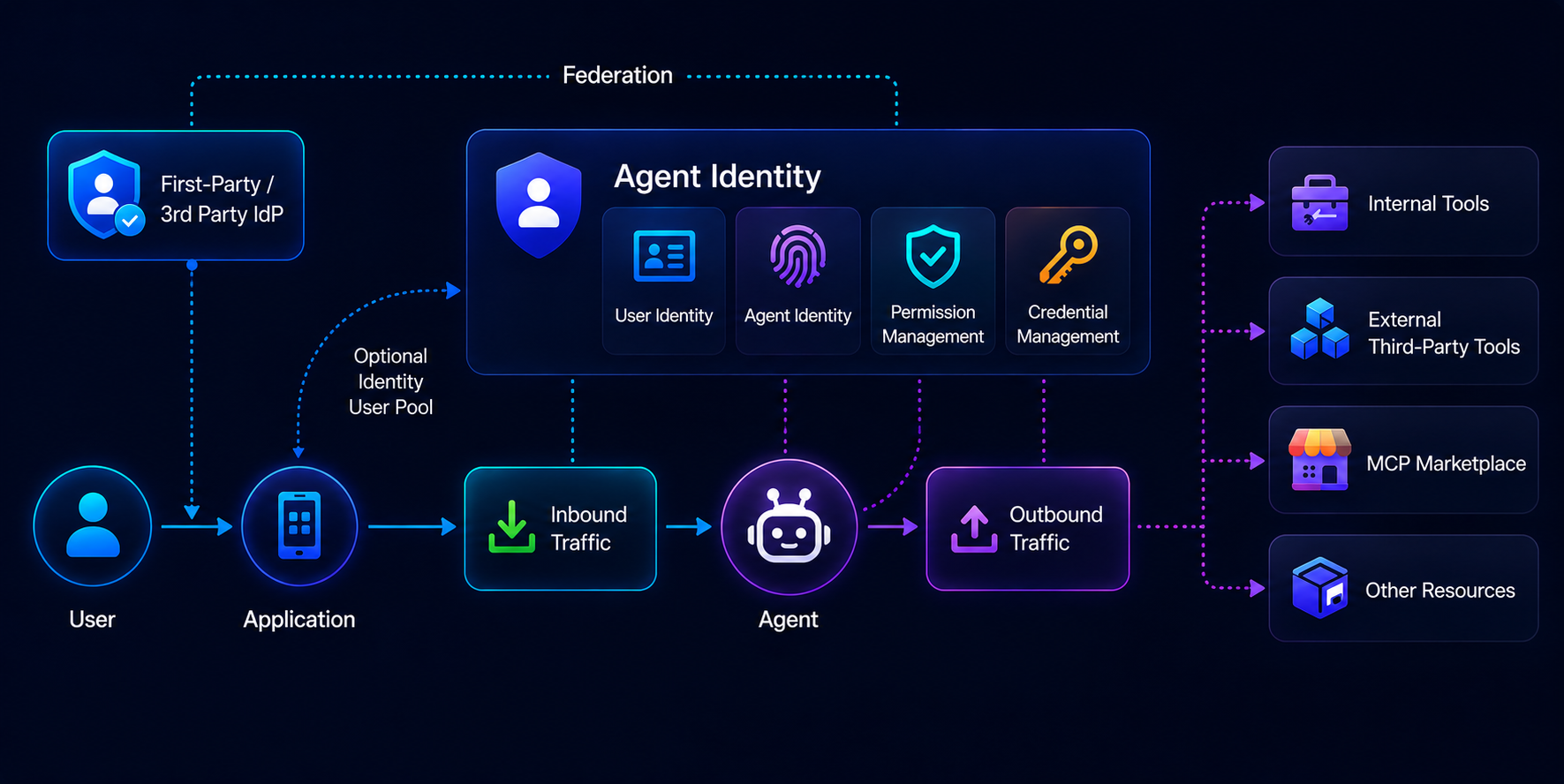
AI Security Infrastructure architecture diagram
Missing architecture image
Expected: assets/technical-architecture.png

What must be preserved

  • User identity through enterprise or first-party federation.
  • Agent identity as a first-class actor, not user impersonation.
  • Delegation context propagated across tool and API calls.
  • Credential custody through a vault with scoped release.
  • Policy enforcement on the traffic path, not only in docs.
InboundWho can invoke this agent?
OutboundWhat can the agent do?
Observabilitytrace ID, policy logs, allow/deny reason, gateway metrics, vault access, bypass alerts
Judgment

Tradeoffs were about enforcement strength, adoption cost, and platform leverage.

Gateway vs. sidecar / plugin

  • Gateway gave stronger enforcement and centralized evidence.
  • Sidecar/plugin paths reduced adoption friction but were easier to bypass.
  • Managed/high-risk internal traffic used stronger enforcement.
  • Long-tail customer paths needed more flexible integration.

Reusable contract vs. one-off integration

  • Move fast on the ecosystem-specific integration surface.
  • Do not let one integration redefine identity or delegation semantics.
  • Keep credential boundary, policy model, and audit contract reusable.
  • Say no when customer urgency would fragment the foundation.
Healthlatency, error rate, availability, policy-decision latency, vault success rate
Adoptionplatforms onboarded, tool calls protected, credential paths migrated
Riskfewer long-lived secrets, complete audit chains, policy coverage, lower bypass surface
Discussion Map

Where would you like to go deeper?

Architecture

agent identity, delegation, credential custody, gateway, observability

Leadership

ownership map, M1/TL leverage, decision rights, operating rhythm

Adoption

developer burden, onboarding, product surface, enterprise requirements

Lessons

what I would do differently, metrics, rollout risk, platform coherence

My takeaway: AI security infrastructure only works when the secure path is a paved path: technically enforceable, operationally observable, and easier for product teams to adopt than inventing their own local model.
Arrow keys / wheel / dots